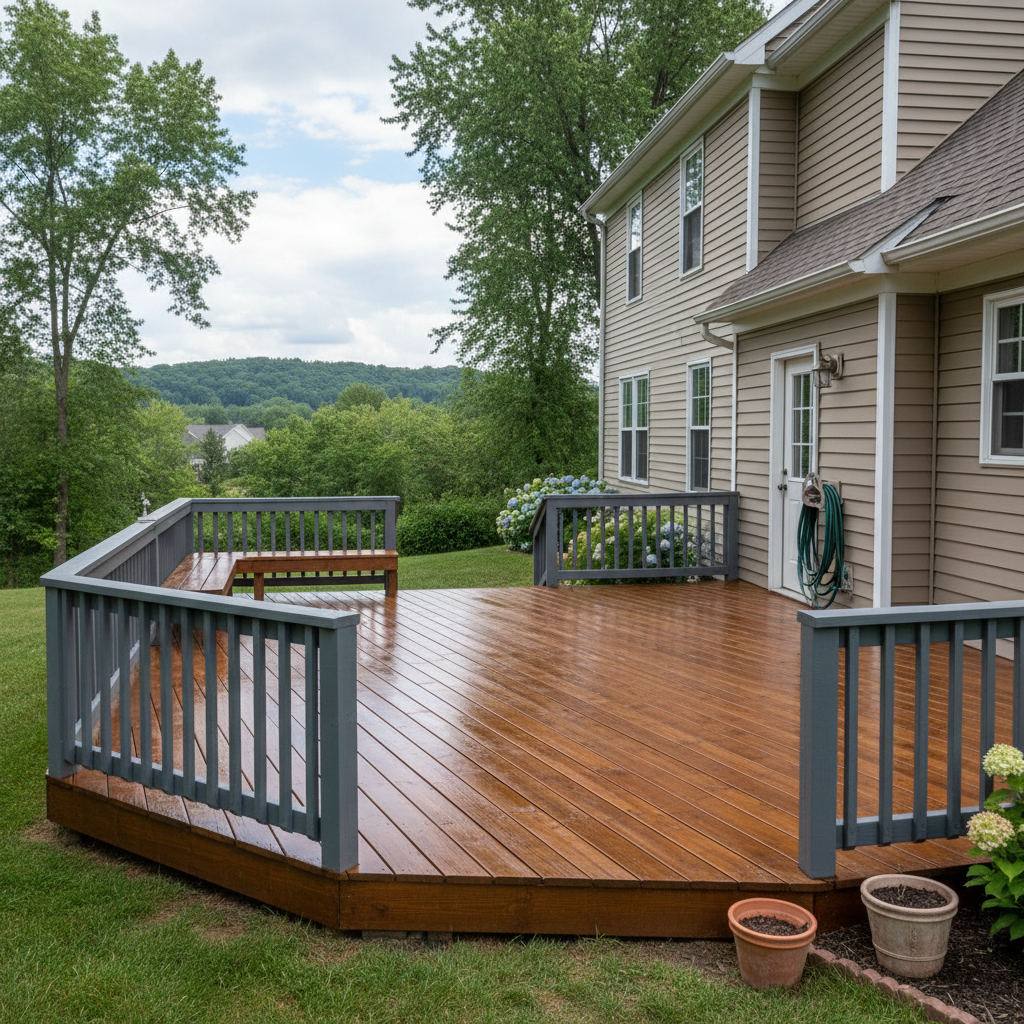
You've got a deck, and it's probably seen a few seasons here in Elizabeth. Maybe it's looking a little faded, or the finish is peeling. So, you start thinking about painting or staining it. Good idea! A fresh coat can really protect your investment and make your outdoor space pop. But I've seen a lot of folks around here, from the older homes near the river to the newer builds up on the ridge, make some pretty common mistakes when they're planning or hiring for this kind of work. Let's talk about how you can avoid them.
Mistake #1: Skipping the Prep Work (Or Doing It Wrong)
This is probably the biggest one, and it's a killer. You can buy the fanciest, most expensive stain or paint on the market, but if the surface isn't ready, it's going to fail. Period. I've seen decks where folks just slap a new coat over old, peeling paint, or they don't clean off all the mildew and grime that builds up with our humid summers. What happens? The new finish won't stick. It'll peel, blister, and look worse than before in no time.
Proper prep means a thorough cleaning, sometimes with a deck cleaner, and then a good power wash. But even power washing can be a mistake if you don't know what you're doing. Too much pressure, and you can gouge the wood, leaving permanent marks. Not enough, and you're just splashing water around. After cleaning, the deck needs to dry completely – and I mean completely. We're talking days, not hours, especially after a good rain or if it's been damp. If you're hiring someone, ask them exactly what their prep process involves. If they gloss over it, that's a red flag.
Mistake #2: Choosing the Wrong Product for the Job
Walk into any big box store, and you'll see a wall of deck stains and paints. It's overwhelming, and it's easy to grab something that looks good on the swatch. But not all products are created equal, and not all are right for every deck or every situation.
- Stain vs. Paint: Generally, stain penetrates the wood, offering protection while letting the wood grain show through. Paint sits on top, forming a film. Paint can offer more color options and sometimes more initial protection, but it's also more prone to peeling if not prepped perfectly. Once you paint, you're pretty much committed to painting again in the future. Staining allows for easier maintenance down the road.
- Oil-based vs. Water-based: Each has its pros and cons. Oil-based often penetrates deeper and can be more durable, but clean-up is harder and drying times are longer. Water-based is easier to work with and dries faster, but might not last as long depending on the brand.
- Transparency: Clear sealers offer minimal UV protection. Toners or semi-transparent stains offer more protection and a hint of color. Solid stains are opaque, like thin paint, and offer the most UV protection but hide the grain.
Think about your deck's condition, how much sun it gets, and what kind of look you want. Don't just pick the cheapest option. A good contractor, like us at Elite Deck Solutions, will talk you through these choices and recommend what's best for your specific deck.
Mistake #3: Ignoring the Weather Forecast
This seems obvious, right? But you'd be surprised. You've got a weekend free, the kids are busy, and you just want to get it done. So you start, even if there's a 30% chance of rain later. Or maybe it's too hot, or too cold. Extreme temperatures, direct blazing sun, or rain can all mess up a fresh application.
Most products have an ideal temperature range for application, usually between 50-90 degrees Fahrenheit. If it's too hot, the stain or paint can dry too fast, leading to lap marks or poor adhesion. Too cold, and it won't cure properly. And rain? Well, that'll just wash it all away or leave water spots, ruining the finish. Always check the forecast for a few days out. You need a clear window for application and proper drying/curing.
Mistake #4: Not Getting Multiple, Detailed Quotes
When you're hiring someone, don't just go with the first person who gives you a price. And don't just compare the bottom line. A cheap quote often means skipped steps or low-quality materials. A good quote should be detailed. It should specify:
- What kind of prep work they'll do (cleaning, sanding, repairs).
- What products they'll use (brand, type of stain/paint).
- How many coats they'll apply.
- Their timeline for the project.
- What kind of warranty or guarantee they offer on their work.
Ask questions. A reputable contractor won't mind explaining their process. If someone gives you a super low bid and can't explain why, or pressures you to sign right away, walk away. You're better off waiting for someone you trust. We've built our reputation here in Elizabeth on doing things right, not just fast or cheap.
Mistake #5: Neglecting Ongoing Maintenance
Even the best stain or paint job won't last forever without a little help. Decks take a beating from our Southern Indiana weather – the sun, the rain, the humidity, even the occasional snow. You can't just apply a finish and forget about it for five years.
A simple annual cleaning can make a huge difference. Get rid of the dirt, pollen, and mildew before it has a chance to really dig in. Inspect your deck regularly for any signs of wear, peeling, or fading. Catching small problems early can save you a lot of money and hassle down the road. Sometimes, a simple touch-up or a light re-coat is all it takes to extend the life of your deck's finish significantly.
Taking a little extra time upfront, both in planning and hiring, will save you a lot of headaches and money in the long run. Your deck is an extension of your home, and it deserves to look good and be protected.