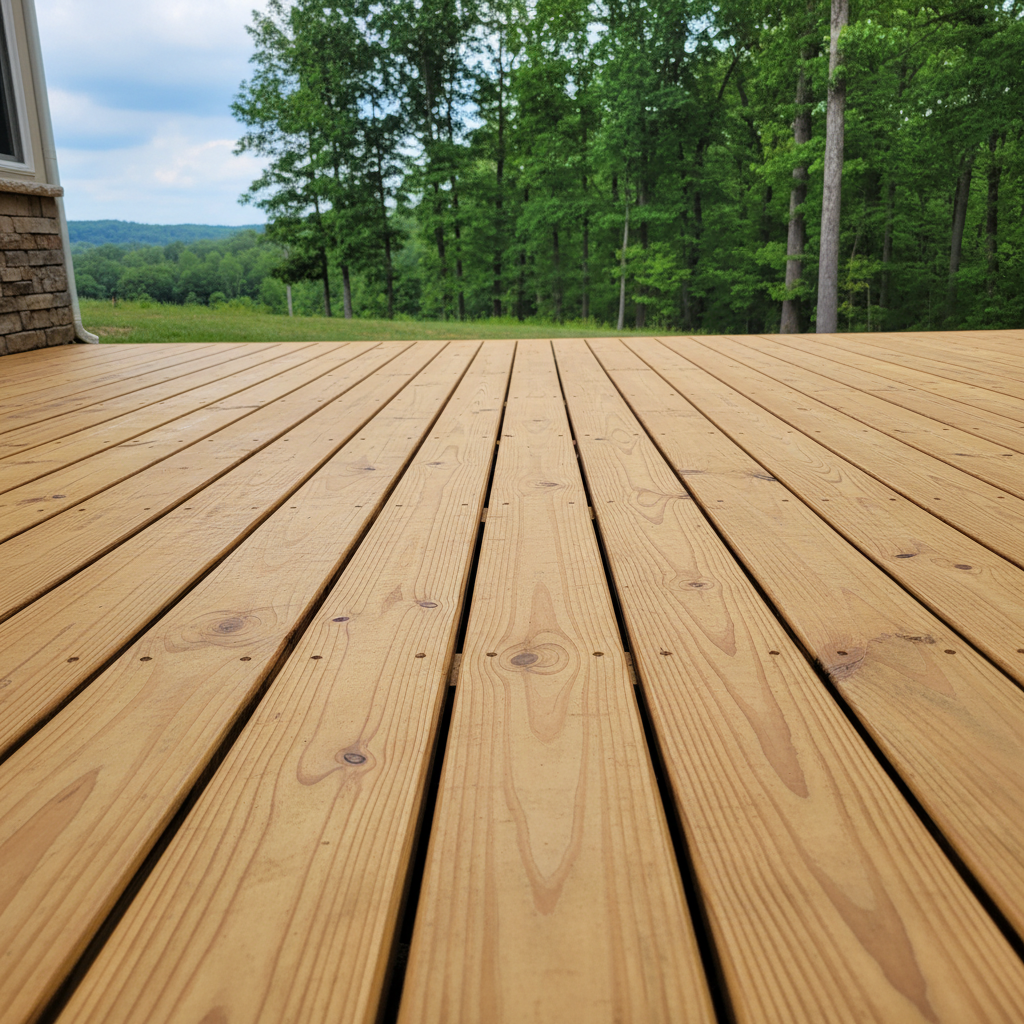
Building a new deck on your Elizabeth property is a large project, and homeowners often take on more than they can manage during the spring season. Between the heavy clay soils down near the Ohio River valley and those sudden summer storms rolling across Harrison County, outdoor builds need to be done right from the ground up. If you are trying to figure out how to tackle a new deck build without wasting thousands of dollars, here is the honest, field-tested breakdown of how to approach the job.
Before You Swing a Hammer: Permits and Planning
You cannot skip the paperwork, no matter how tempted you are. Harrison County has specific building codes, setbacks, and frost line requirements. That frost line sits around thirty inches deep here, and if your footings are shallow, our freeze-thaw cycles will push your posts right out of alignment by next February.
- Call 811 before you dig, always. Our local red clay makes hand-digging post holes very difficult work.
- Check local property setbacks with the county zoning office.
- Decide early whether you are using pressure-treated southern yellow pine or low-maintenance composite boards.
Once you have your design drawn up and your permits in hand, you have to decide where your own labor ends and where professional help begins.
DIY vs. Pro: Drawing the Line
Structural carpentry is not the place to learn on the job. At Elite Deck Solutions, we get called in to fix half-finished DIY decks where the ledger board was not flashed right, leading to rotting rim joists on the house.
Here is what you can realistically do yourself to save some cash: demolition of an old deck, staining or painting once the wood dries out, installing surface decking boards if you have a good helper, and putting together simple railing sections. Leave the ledger board attachment, main structural framing, and deep concrete footings to a crew that does it every single day. If the skeleton is crooked or weak, nothing else you do on top of it will matter.
During the Build: Keeping It Square
If you are building the structure yourself with a couple of friends over a long weekend, take your time on the framing. Measure the diagonals constantly. A deck that is out of square by even a half-inch at the ledger board will turn into a difficult problem of tapered cuts and ugly gaps by the time you reach the outer rim joist.
Use flashing tape over the top of your joists. Our humid southern Indiana summers trap moisture between the joist and the deck boards, which rots untreated lumber fast. Fasteners matter too—always use hot-dipped galvanized or coated exterior screws that will not snap when the wood expands and contracts.
After the Last Board Goes Down
You survived the build. Now protect your investment. If you went with traditional wood, do not rush to stain it while it is still holding moisture from the lumber yard. Give it a few weeks to dry out, test it with a few drops of water to see if it beads up, and then apply a quality penetrating sealer. Composite builds just need a good soapy wash to get rid of the construction dust and pollen.
For homes and businesses in Elizabeth, Elite Deck Solutions provides Deck Construction services.