Getting Started: What to Know Before Breaking Ground
Building a new deck starts long before construction begins. Around Elizabeth, you have to contend with rolling terrain, clay-heavy soils, and weather that swings from freezing winter ice to humid summer heat. First things first: check with Harrison County on zoning and permits. You do not want to skip this step, because local building officials check for proper setbacks and structural safety.
You also need to think about what you can realistically tackle yourself. If you have weekends to spare, basic carpentry skills, and a helper, you can probably handle laying Decking Boards, building simple stairs, or putting together basic railings. But digging frost-line footings through local clay and limestone-threaded dirt, setting ledger boards safely against your house, and squaring up a massive multi-level framing grid are jobs where a mistake costs you dearly. That is when calling in a team like Elite Deck Solutions saves you from structural headaches down the line.
During the Build: Keeping Your Project on Track
Once construction starts, precision is everything. The framing phase requires exact measurements and heavy lifting. If you are building it yourself, double-check every joist span and make sure your ledger board has proper flashing to keep moisture out of your home rim joist. Skipping flashing or misusing metal connectors will lead to premature wood rot or loose connections.
Weather can also interrupt your timeline right in the middle of a build. Sudden spring or autumn storms in Southern Indiana can turn an excavated yard into a muddy mess, making concrete pours for footings tricky. If you hired pros, they will manage these weather delays efficiently. If you are flying solo, do not rush the concrete curing process just because you want to get weekend project momentum back. Let those footings set correctly so they support the weight of your frame without shifting.
After the Project: Finishing and Protecting Your Investment
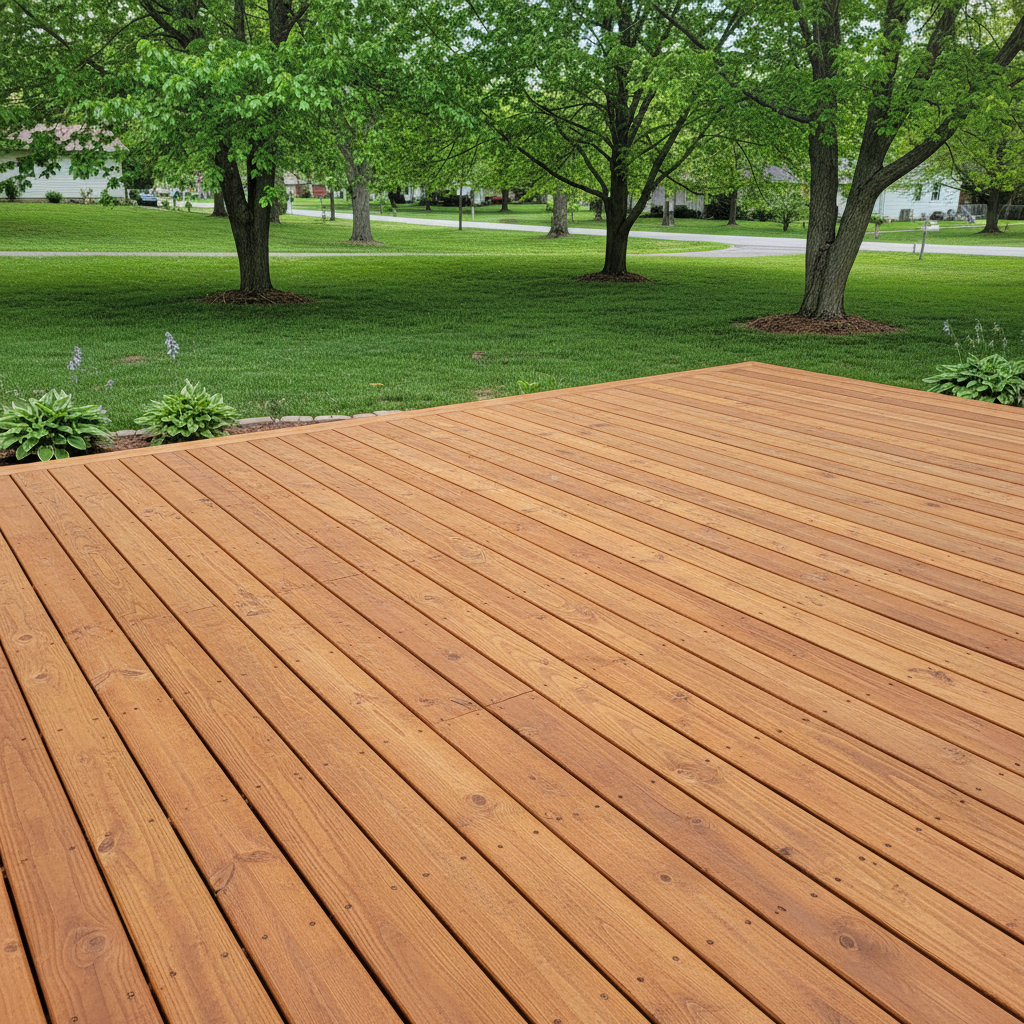
The last board is down, but your job is not quite finished. If you went with natural wood, you need to apply a quality sealer or stain within a few weeks once the lumber dries out enough to absorb it. Composite decks need a simple seasonal wash to get rid of pollen and dust kicked up by local winds.
Take a walk around the structure to check your handrails, stair treads, and post connections. Elite Deck Solutions always recommends a quick annual check of all hardware, tightening any bolts that might have worked themselves loose through seasonal expansion and contraction. Keep up with minor maintenance every year, and your outdoor living space will stay safe, sturdy, and ready for backyard barbecues for decades.